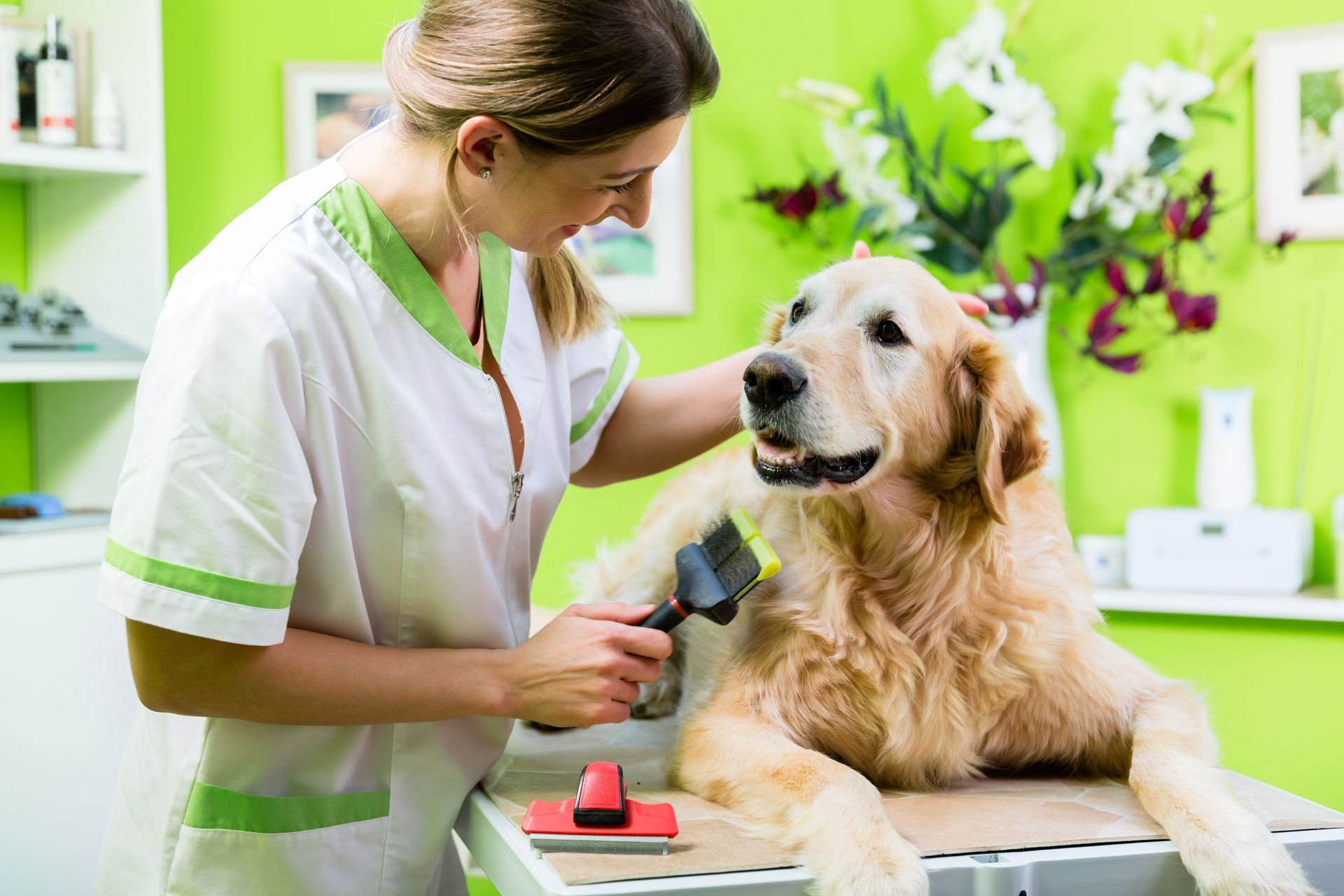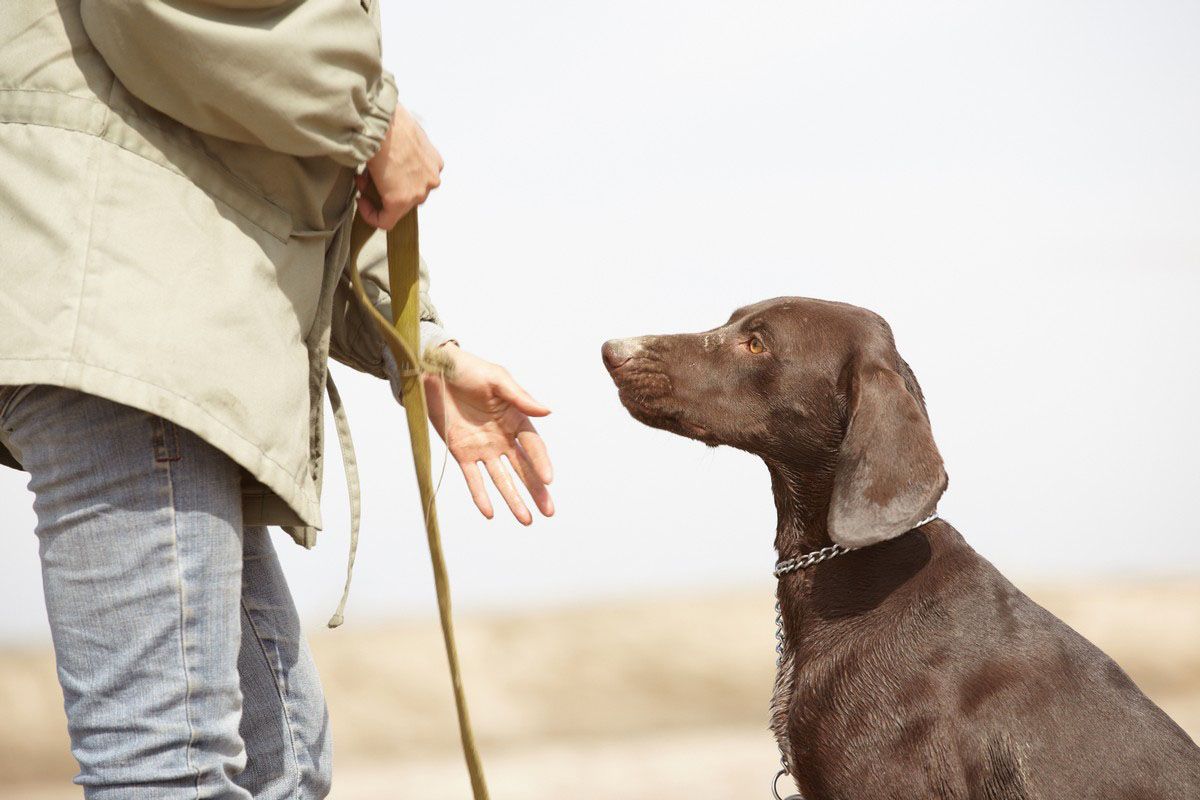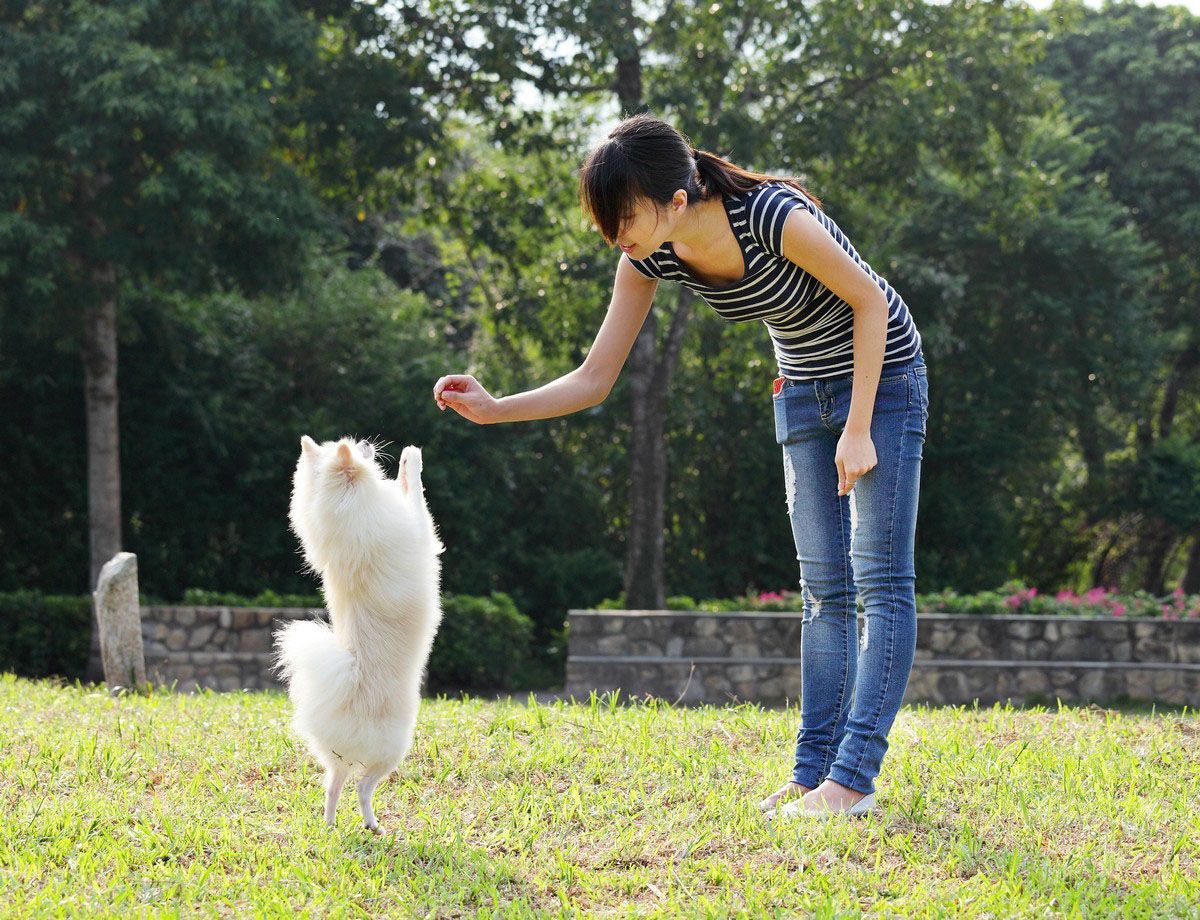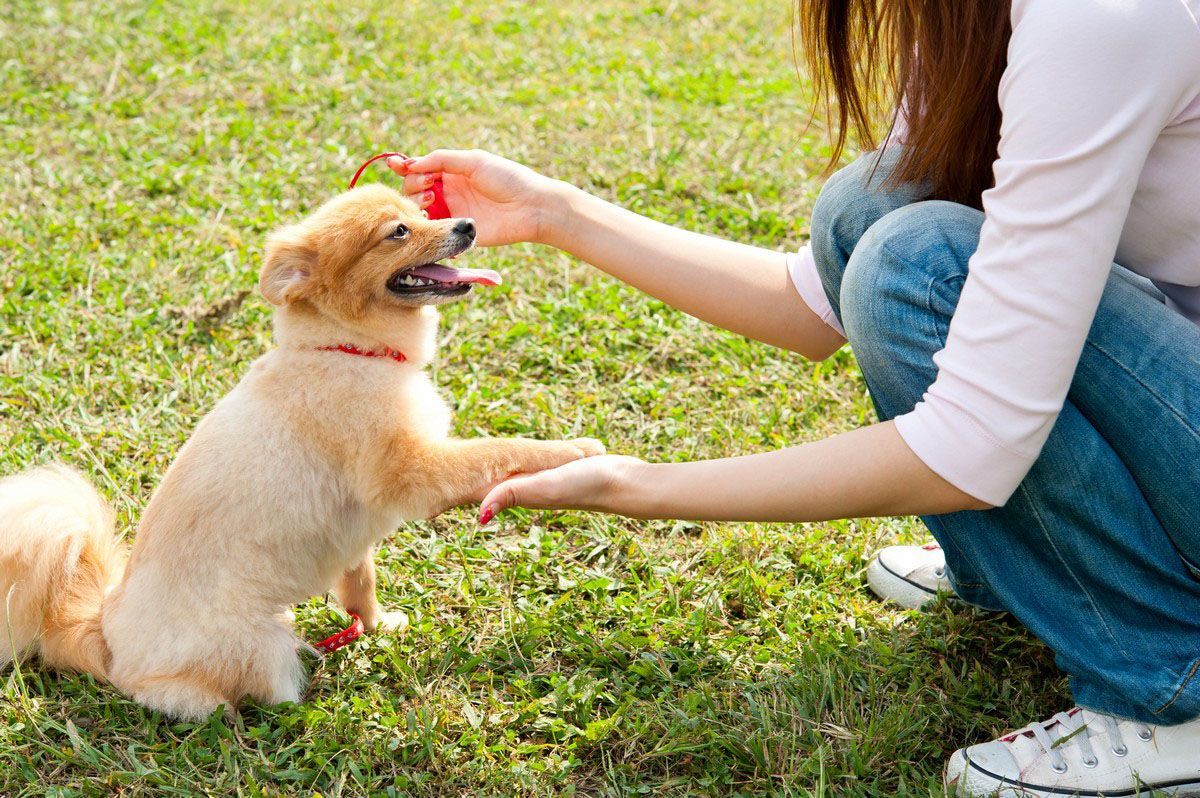
Dog behavior training services have transitioned from a luxury for show animals into a fundamental necessity for millions of American households. As dogs become more integrated into the family unit, the demand for professional guidance has surged to ensure these pets can navigate the complexities of human environments. These services provide the essential framework needed for dogs and owners to communicate effectively and live together in harmony. By addressing behavioral issues early, families can avoid the stress and property damage often associated with untrained pets.
The modern pet owner views their dog not just as a companion, but as a full member of the family with specific emotional and social needs. Consequently, the reliance on professional dog behavior training services has grown as owners seek to provide the best possible quality of life for their canine friends. This shift reflects a broader societal trend toward responsible pet ownership and a deeper understanding of animal psychology. Professional trainers now play a vital role in shaping the daily lives and long-term relationships within a significant portion of the U.S. population.
The Growing Demand for Professional Guidance
Understanding the current landscape of pet ownership is key to recognizing why training has become so prominent. According to Forbes, dogs are the most popular pet in the U.S. (65.1 million U.S. households own a dog), followed by cats (46.5 million households). This massive number of canine-owning households creates a diverse set of needs, ranging from basic puppy socialization to complex aggression management. With so many dogs living in proximity to humans, the standard for behavior has naturally risen across the country.
Urbanization and changing lifestyle trends have further fueled the need for dog behavior training services in recent years. Many families now live in apartments or smaller suburban lots where space is at a premium, requiring dogs to be exceptionally well-behaved in public and private spaces. Additionally, the rise of pet-friendly workplaces and travel options means that owners want dogs they can take anywhere without fear of disruption. These environmental factors have made professional training an essential investment for anyone looking to maintain an active lifestyle with their pet.
Demographic Shifts and the Digital Influence
The increase in dual-income households has provided more families with the financial resources to invest in specialized training programs. While time may be limited for these busy professionals, the willingness to pay for expert help ensures their dogs receive consistent, high-quality instruction. This economic shift has allowed the training industry to expand its offerings, creating more accessible formats for various income levels. As a result, professional behavior modification is no longer reserved for the wealthy elite but is accessible to the average pet owner.
Social media has also played a transformative role in how owners perceive the value of dog behavior training services. Platforms like Instagram and TikTok are filled with videos of perfectly trained dogs performing complex tasks or behaving impeccably in public settings. These viral success stories inspire owners to seek out similar results for their own pets, driving traffic to local and online training businesses. Seeing the tangible results of professional intervention through digital media has significantly boosted consumer confidence in the industry's efficacy.
Core Benefits for the Modern Household
One of the most immediate benefits of professional training is the significant reduction in household stress. Behavioral issues like excessive barking, chewing, or house-training accidents can create a tense environment that strains the bond between a pet and its owner. By utilizing dog behavior training services, families can implement structured routines that eliminate these frustrations and foster a peaceful living space. A well-trained dog understands its boundaries, which allows the entire family to relax and enjoy the dog's company without constant supervision.
Safety is another critical factor that drives families toward professional training, especially those with young children or frequent visitors. Trained dogs are much more predictable and easier to control in high-energy situations, reducing the risk of accidental bites or knock-downs. Socialization, a core component of most training programs, ensures that dogs react calmly to strangers and other animals. This preparation is invaluable for creating a safe neighborhood environment and preventing the legal and medical complications that can arise from pet-related incidents.
Enhancing Communication and Longevity
Professional training serves as a bridge for communication, teaching owners how to read their dog's body language and signals. Many "behavioral problems" are actually just misunderstandings where the dog is trying to communicate a need that the owner does not recognize. Through dog behavior training services, owners learn to use clear, consistent cues that the dog can easily interpret, leading to faster learning and better compliance. This mutual understanding strengthens the emotional bond and builds a foundation of trust that lasts for the dog's entire life.
Furthermore, dogs that receive professional training often lead longer, healthier lives because they are less likely to be surrendered to shelters. Behavioral issues are one of the leading reasons why pets are given up, but most of these problems are entirely preventable or fixable with the right help. Training also provides essential mental stimulation, which keeps aging dogs sharp and reduces the likelihood of cognitive decline. By investing in training, owners are essentially investing in the long-term health and stability of their pet's place in the home.
Modern Techniques and Technological Integration
The methodology behind training has evolved significantly, moving away from punishment-based tactics toward positive reinforcement. Modern trainers focus on rewarding desired behaviors with food, play, or praise, which creates a more enjoyable experience for the dog. This science-based approach is not only more humane but has been proven to produce more reliable and long-lasting results. Owners are increasingly seeking out dog behavior training services that prioritize the dog's emotional well-being alongside obedience goals.
Technology has also found its way into the training world, offering new tools to track progress and enhance learning. From wearable fitness trackers that monitor a dog's activity levels to apps that allow for remote consultations with expert trainers, the options are expanding rapidly. These technological advancements make it easier for owners to stay consistent with their training homework between professional sessions. Virtual reality and automated treat dispensers are even being used to desensitize dogs to common triggers like doorbells or vacuum cleaners in a controlled environment.
Specialized Programs for Diverse Needs
As the industry matures, we are seeing a rise in specialized programs tailored to specific breeds and behavioral challenges. For instance, high-energy working breeds require different mental outlets than smaller lap dogs, and professional trainers are adapting their curricula accordingly. Specialized services now include everything from "scent work" for enrichment to intensive "board and train" programs for severe anxiety. This level of customization ensures that every dog receives the specific type of support it needs to thrive in its unique household dynamic.
In summary, the role of professional training in American life is more significant than ever before. These services offer a pathway to safer, happier, and more fulfilling lives for both dogs and their human families. By fostering clear communication and addressing behavioral challenges through positive methods, trainers help ensure that dogs remain a cherished part of the household. As the industry continues to innovate and grow, it will remain a cornerstone of responsible pet ownership for millions of people. Ultimately, investing in the right training is the best way to honor the commitment we make when we bring a dog into our homes. For more information, contact Good Dog Camp.