Leash training is an essential skill that can transform your dog walks from chaotic to calm. In this article, we will explore practical tips to improve your pet's leash skills, ensuring every walk is enjoyable for both you and your furry friend.
Understanding Your Dog's Behavior
Recognizing Different Temperaments
Understanding your dog's temperament is the first step toward effective leash training. Dogs, much like humans, display a range of temperaments that influence their behavior on the leash. Recognizing whether your dog is naturally anxious, playful, aggressive, or stubborn will help tailor your approach. Each type of behavior presents unique challenges, such as a playful dog pulling to greet other canines or an anxious one resisting new environments. Observing these behaviors gives insight into how best to address them during training.
Anxious dogs may exhibit signs such as trembling, whimpering, or frantically tugging on the leash. If your dog shows signs of prey behavior, remain patient and avoid punishing them, which can exacerbate anxiety. For dogs displaying aggressive tendencies, identifying triggers and avoiding them can minimize incidents during walks. Playfully enthusiastic dogs often yank at the leash, eager to interact, so channeling this energy positively is key. Stubborn yet confident dogs might resist commands; hence, consistency and positive reinforcement become crucial.
Dogs can also exhibit confident or overly assertive traits, which complicates leash training. Dealing with a confident dog requires setting clear boundaries, especially if they attempt to control the walk. These dogs respond well to structured and consistent training, reinforcing their role within the pack hierarchy. According to Pet365, six percent of dog owners don't train their dogs, some believing them to be perfectly trained. This misconception overlooks the continuous learning and adaptation dogs undergo, influencing their behavior significantly.
The Importance of Consistency
Consistency is paramount in establishing effective leash training routines. Setting clear and attainable goals each day solidifies the dog's understanding of acceptable behavior. Consistent use of commands establishes a clear communication pathway between dog and owner, reducing confusion and mistakes. A consistent training schedule allows dogs to anticipate training periods, making them more receptive to learning techniques. Additionally, dogs thrive on routine; hence maintaining training continuity enforces what they’ve learned, enhancing long-term retention of leash etiquette.
Establishing a routine involves integrating training sessions into daily walks, with regular review of progress. Consistent routines can prevent stubborn behavior, which often emerges when dogs attempt to test boundaries. By setting aside specific times for training, the dog learns that these periods are not playtime, increasing focus and success. Each training session should include practicing previously learned commands, reinforcing their importance. Incorporating short and positive sessions daily ensures that training becomes a natural, expected part of life for the dog.
Building on small, daily goals helps manage expectations and reduces stress, both for the trainer and the dog. Starting with achievable targets, like mastering the “sit” command before moving to complex tasks, builds a foundation of success. Celebrating small victories encourages both parties, and overcoming hurdles boosts confidence and enthusiasm for advanced challenges. Reinforcing these gains through repetition prevents regression, commonly seen when multiple commands are introduced simultaneously. Ultimately, the dog and owner can enjoy the benefits of leash training through steady and deliberate practice.
Choosing the Right Equipment
Choosing the right equipment plays an essential role in successful leash training. An appropriate leash is a pivotal component, with options varying from standard to retractable, each serving different training purposes. Standard leashes provide more control and are best for basic training, whereas retractable ones are suitable for extended explorations post-training. Moreover, understanding various collar types, such as flat, martingale, and prong, can significantly affect the comfort and effectiveness of training. Carefully considering the dog’s size and temperament will guide owners toward selecting the most appropriate equipment.
Collars serve as both a training aid and an identification tool but must be chosen thoughtfully. A martingale collar offers more gently enforced control for enthusiastic or aggressive dogs, preventing escapes due to sudden pulling. Harnesses are increasingly popular, as they distribute pressure evenly, reducing stress on the neck and providing greater comfort for dogs prone to pulling. Training aids such as clickers or treat pouches complement leash training by offering control mechanisms and rewards. Whichever equipment is chosen, ensuring it fits correctly avoids unnecessary discomfort or injury to the animal.
Properly fitted equipment ensures that training remains a positive experience for your dog. Incorrectly fitted collars or harnesses can lead to irritation, negatively impacting the dog’s disposition and receptiveness to training. Periodically checking the fit and condition of equipment is vital; replacing worn or damaged gear precludes accidents or malfunctions during walks. Investing in high-quality equipment can ultimately save time and expense, enhancing the training process's overall efficacy. Therefore, owners should actively monitor their dog’s needs, adapting their choice of equipment as necessary to support ongoing leash training goals.
Developing Effective Training Techniques
Positive Reinforcement Strategies
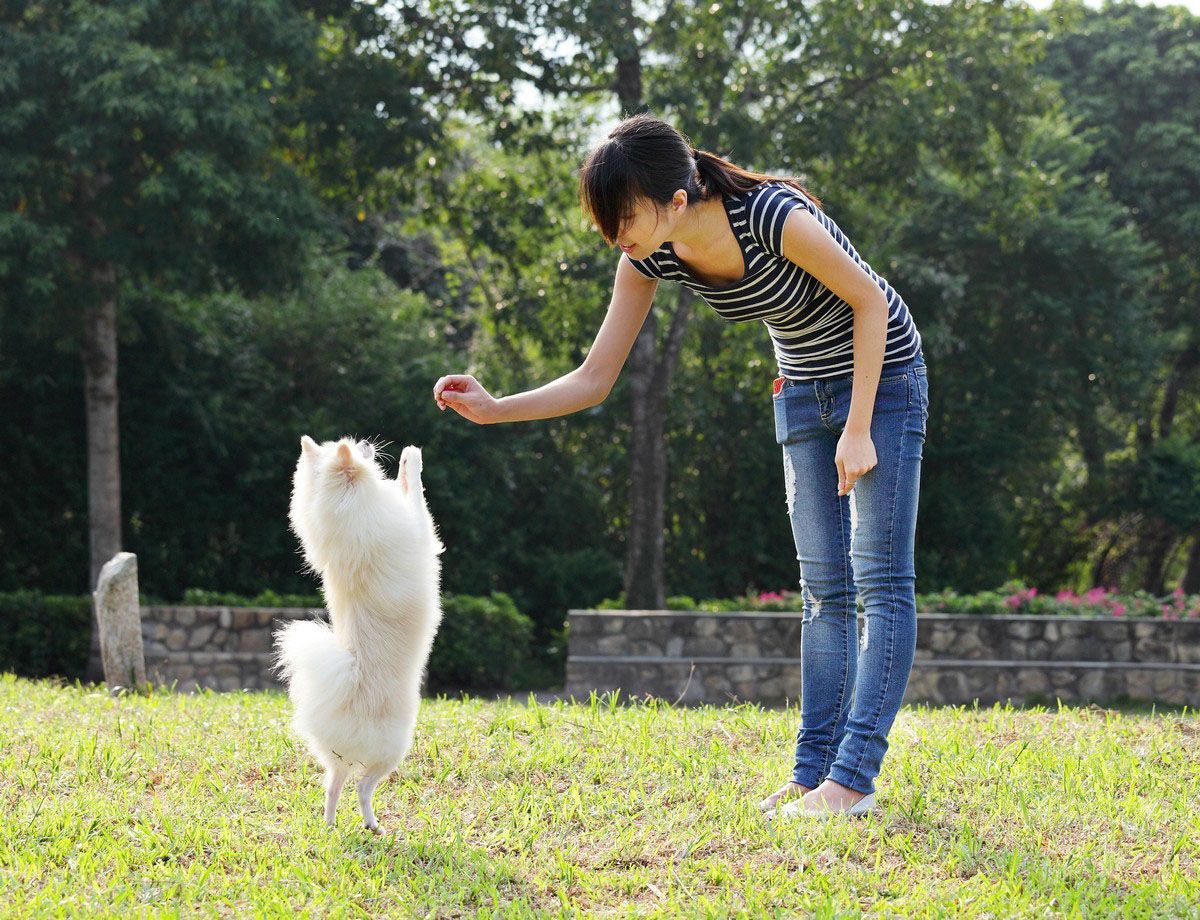
Positive reinforcement is a crucial strategy in effective dog training, as it encourages desired behaviors through rewards. Dogs naturally seek to please, and by associating positive outcomes with good behavior, they become more motivated in their training. Praising good behavior verbally, along with some physical affection, makes training sessions more enjoyable for the dog. Utilizing treats as tangible rewards solidifies this connection, providing immediate gratification for completing a command successfully. Over time, the dog's confidence will flourish as they consistently achieve positive outcomes through reinforcement strategies.
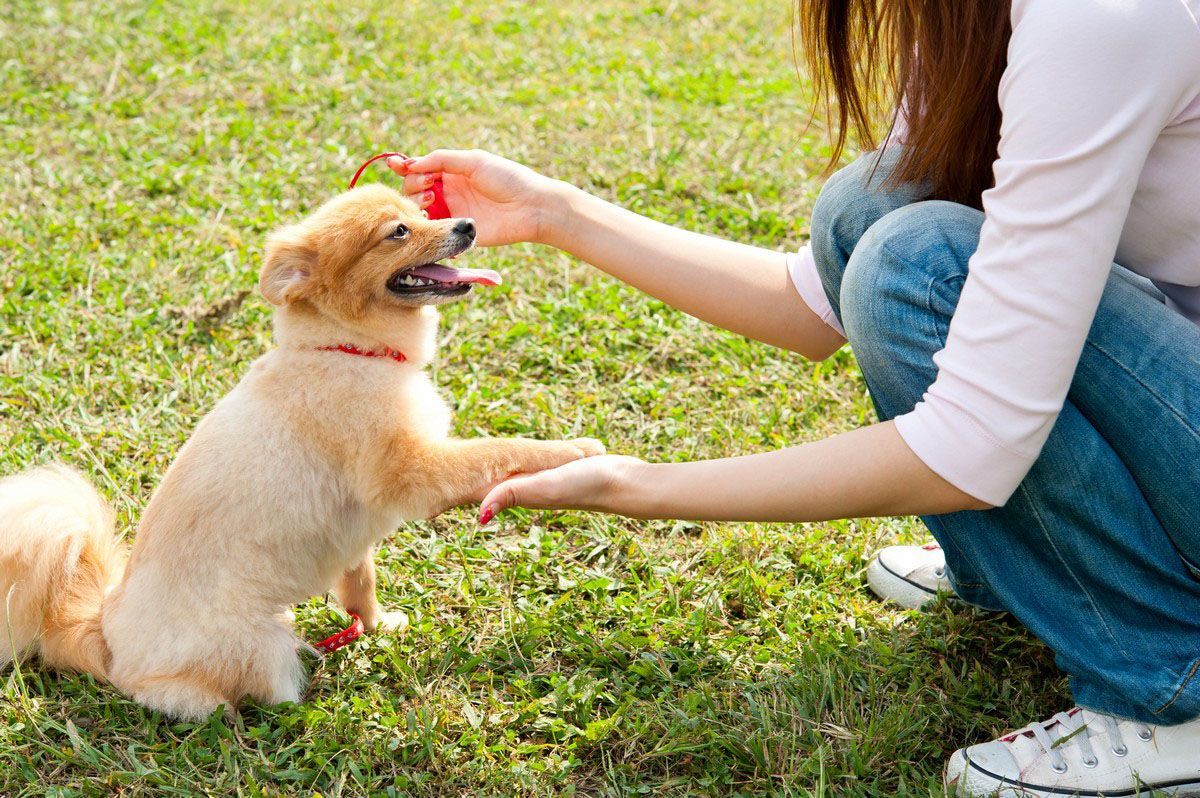
Clicker training is another effective reinforcement technique, employing a click sound to mark correct behavior instantly. This method relies heavily on timing to ensure the dog understands which action is being rewarded, enhancing clarity among commands. Rewards must follow the click immediately, cementing the connection in the dog’s mind between sound, command, and treat. While initial training with treats is beneficial, the ultimate goal is to reduce dependency, relying instead on verbal praise and affection. This approach fosters robust learning by focusing on skill mastery over treat acquisition.
As the dog progresses in their training, slowly decreasing dependency on treats reinforces learning without causing reliance. Initially unpredictable, this method becomes more manageable as positive outcomes become routine, enabling trainers to phase out the treats gradually. Moreover, by tracking achievements and assessing when treats exceed their necessity, coaches empower dogs to perform based on trust and mutual respect. Expanding upon fundamental skills learned through positive reinforcement builds resilience and adaptability. Ultimately, this foundation translates into more advanced command training and a harmonious human-canine relationship.
Mastering Basic Commands
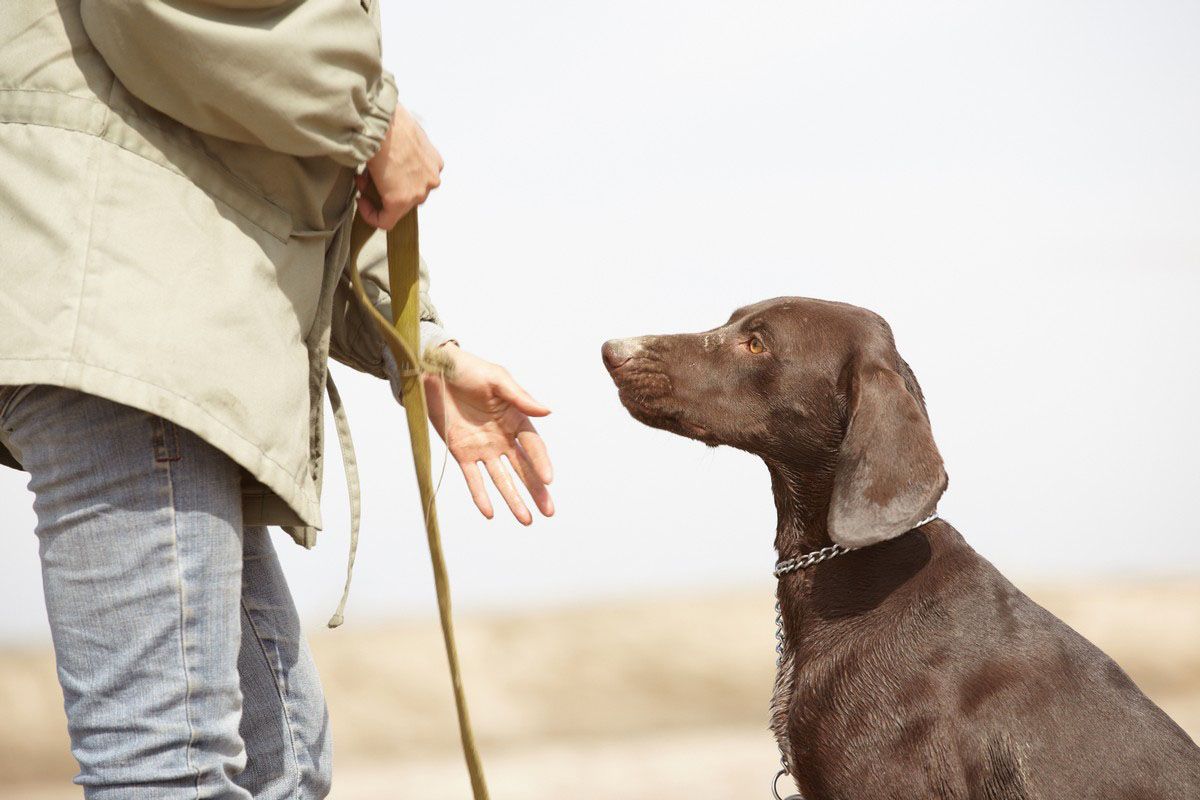
Mastering basic commands lays the groundwork for successful leash training and a well-behaved dog. Teaching the "heel" command is particularly beneficial, as it teaches dogs to walk closely beside their handlers instead of pulling ahead. Consistency is vital for mastery, as dogs require repeated sessions to fully understand and comply with this command. Similarly, reinforcing "sit" and "stay" can effectively improve leash communication, preventing many common behaviors like bolting or wandering. Each command should receive isolated attention, ensuring comprehension before transitioning to multifaceted scenarios.
Using the "leave it" command effectively incorporates redirection within training, helping manage distractions such as other animals or litter. Building this association gradually through staged distractions fosters improvement, as recognizing non-threatening stimuli like squirrels becomes part of training sessions. Combining basic verbal commands with hand signals creates additional cues, reinforcing learning through multiple avenues. Dogs process visual cues faster than verbal ones, hence integrating gestures into commands enhances comprehension and compliance. Ultimately, whether outdoors or in bustling environments, hand signals provide owners with reliable control over their dog’s behavior. Be sure to reach out to Good Dog Camp today for more information on our professional leash training puppies!